

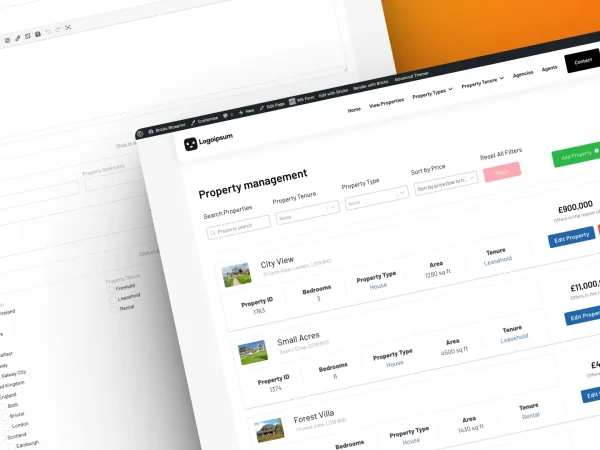


How Ops Leaders Are Building Dashboards Inside WordPress

For a long time, WordPress was treated like a content thing, such as blogs and pages, or maybe a form or two. But for Operations Directors, that view feels outdated now. These days, operations need visibility. It needs clarity. And it needs systems that do not require filing a development ticket every time something changes.
That is where WordPress starts to surprise people. With the right setup, it becomes a place where dashboards live, workflows move, and teams actually know what is going on. No code, no waiting, and just control.
Let us discuss how the rise of no-code operations is going to happen. These days, most operations leaders prefer to use GravityOps, which has now really stepped in. Built by Bright Leaf Digital, Gravity Ops takes familiar WordPress tools and turns them into something operational. Not flashy, not overcomplicated, and just practical.
Instead of forms being dead ends, Gravity Ops lets them drive real processes:
- Form submissions become live operational data
- Entries flow into visual boards
- Tasks, approvals, and follow-ups happen automatically
- Dashboards update as work happens
It feels less like “website stuff” and more like an internal system. And that is the point.
What Ops Dashboards Actually Need
Most Operations Directors are not chasing pretty charts. They want answers quickly. A useful dashboard usually focuses on things like:
- What is currently in progress?
- What is stuck or overdue?
- Who needs to act next?
- What just came in today?
Instead of digging through menus or exports, teams log in and see only what matters to them. Not everything. Just enough.
Cleaning Up the WordPress Backend Without Coding
One underrated part of building dashboards is removing friction. A cleaner backend can mean:
- Redirecting users to a custom dashboard on login
- Hiding unnecessary admin menus
- Showing role-specific views
- Keeping people out of places they do not need.
Guides on custom WordPress dashboards often emphasize this idea: less noise equals better decisions. When combined with Gravity Ops workflows, the dashboard stops being decorative and starts being useful.
WordPress, Reframed for Operations
This is not about replacing your entire tech stack overnight. It is about using WordPress differently. With Gravity Ops layered in, WordPress becomes:
- A live operational dashboard
- A workflow engine driven by real inputs
- A system Ops Director can actually adjust themselves.
No developers. No long feedback loops. Just systems that respond as fast as your operations do. And honestly, once you experience that shift, it is hard to go back.
