




Electrical Testing: Methods, Standards, and Compliance Requirements

Electrical testing is the kind of work that most people never think about until something goes wrong. It happens in the background of every functioning building, every humming switchroom, every live circuit that quietly powers a shopping mall or an office tower. It is methodical. It is precise. And in Singapore, where the built environment operates at a density and pace that leaves little margin for error, it is absolutely essential.
Why Electrical Testing Exists
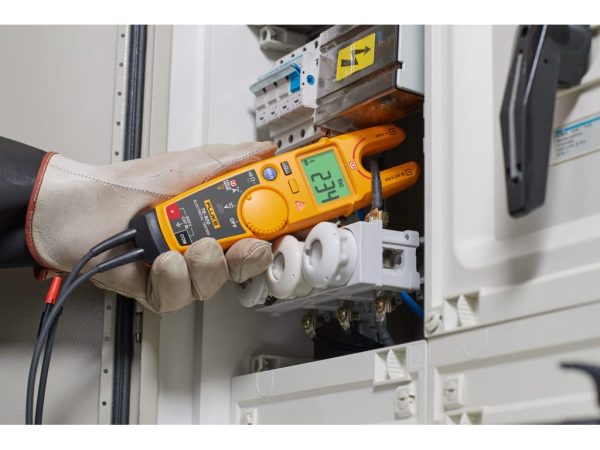
The purpose of electrical installation testing is straightforward, even if the methods are not. When electrical systems are installed, modified, or simply aged by years of continuous use, they develop vulnerabilities. Insulation weakens. Connections loosen. Protective devices drift out of calibration. None of this is immediately visible. It requires specific instruments, trained hands, and a disciplined process to bring these hidden conditions to light.
In Singapore, the Energy Market Authority (EMA) governs the standards for electrical safety across commercial, industrial, and infrastructure premises. The EMA’s regulatory framework mandates that electrical installations above certain load thresholds must be inspected and tested by a Licensed Electrical Worker (LEW). This is not a suggestion. It is a legal requirement under the Electricity Act, and one that building owners ignore at considerable risk.
The Methods Used in Electrical Testing
There is no single test that tells the full story of an electrical system. Good electrical testing practice draws on a suite of complementary methods, each designed to examine a different aspect of a system’s condition.
The most commonly applied tests include:
Insulation resistance testing
Measures the integrity of cable insulation between conductors and between conductors and earth. Degraded insulation is one of the leading causes of electrical faults in ageing buildings.
Earth continuity testing
Verifies that protective earthing conductors are properly connected and capable of carrying fault current safely to ground.
Circuit breaker testing
Confirms that protective devices will trip within specified parameters when an overcurrent or fault condition is detected.
Partial discharge testing
Applied to high-voltage switchgear and transformers, which detects the early stages of insulation breakdown through the electrical pulses that accompany it.
Thermal imaging
Scans live electrical panels and connections for hotspots that indicate loose contacts, overloaded circuits, or failing components.
Dissolved gas analysis (DGA)
Used specifically for oil-filled transformers, which identifies the presence of fault gases dissolved in the insulating oil as a marker of internal degradation.
Each of these methods produces data. The value lies in interpreting that data correctly, understanding what a specific insulation resistance reading means for a cable of a given age and load, or recognising which dissolved gases in a transformer signal which type of internal fault.
The Standards That Govern Electrical Testing
In Singapore, the primary standard for electrical installations is SS 638, the Singapore Standard for the Code of Practice for Electrical Installations. It defines the requirements for design, installation, inspection, and testing, and it aligns closely with the IEC 60364 series of international standards.
Under SS 638, electrical installations must be tested before commissioning and after any significant modification. The standard specifies minimum test values and procedures, including the required insulation resistance thresholds for cables of different voltage ratings. These are not arbitrary numbers. They represent the boundary between a system that is safe to operate and one that poses a measurable risk.
As the EMA states in its published guidelines: “Periodic testing and inspection of electrical installations is necessary to ensure that the condition of the installation has not deteriorated to a point where it could cause danger.” This positions routine electrical testing not as a one-time event but as an ongoing obligation for the life of the installation.
When Electrical Testing Is Required
The circumstances that trigger a requirement for formal electrical testing are clearly defined under Singapore’s regulatory framework. Building owners and facility managers should be aware that testing is required in the following situations:
- Before a new electrical installation is energised and put into service
- After any extension, alteration, or modification to an existing installation
- When applying for or renewing an electrical installation licence with the EMA
- During periodic maintenance inspections, particularly for high-voltage installations
- Following an electrical incident, fire, or unexplained fault
- During the handover of a completed building or tenanted space
In commercial properties, the scale of the obligation grows with the size and complexity of the installation. A shopping mall with multiple high-voltage substations, a factory with substantial motor loads, or an office tower with a large uninterruptible power supply system all require more extensive electrical testing programmes than a smaller standalone facility.
The Role of the Licensed Electrical Worker
No electrical test in Singapore carries regulatory weight unless it is overseen or signed off by a qualified LEW. The LEW is legally responsible for confirming that the installation meets the required safety standards and for submitting the necessary documentation to the EMA. This chain of accountability exists for good reason. It ensures that the person certifying an installation has the technical competence and professional standing to do so accurately.
Facility managers who treat testing as a compliance exercise rather than a safety process tend to miss the point. The numbers on a test report are not merely paperwork. They are a record of the actual condition of the systems that protect the people and assets inside a building.
Conclusion
Buildings do not announce their electrical problems in advance. They give off signals, quiet, technical, easily overlooked, that can only be read through disciplined and structured electrical testing.
