A component can pass every visual and pressure-drop check a facility runs and still be leaking at a rate that matters. That gap is exactly why a dedicated helium leak test comes up so often, whether it is triggered by a new design going into qualification, an incoming batch of purchased parts, or a failure investigation trying to rule causes in or out.
Knowing what actually happens once a component is booked in for testing, and what comes back at the end of it, makes the decision to use a testing service easier to plan around.
Common Reasons to Request a Test
Design qualification is one of the most common triggers, where a new component or assembly needs to demonstrate it meets a specified leak rate before it is approved for production use. Incoming quality checks on purchased components are another, particularly when a supplier’s own documentation is not enough to satisfy a client’s own acceptance criteria. Failure investigations are a third: when something has already gone wrong downstream, a leak test can confirm or rule out a specific component as the cause.
How the Test Is Actually Run
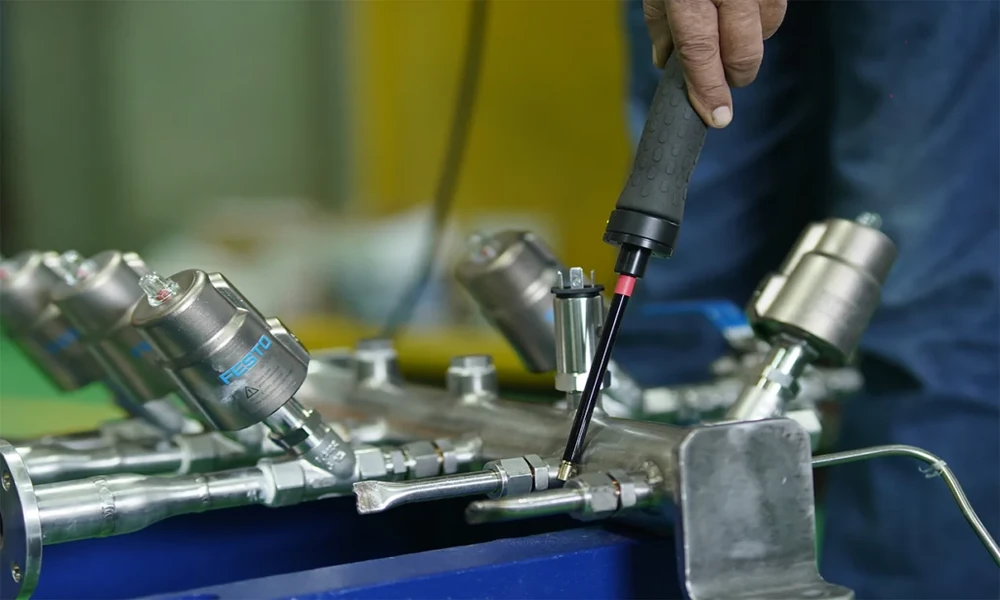
Which method gets used, vacuum chamber or sniffer probe, depends mostly on the component’s geometry and the acceptance criteria it needs to meet. A sealed assembly that can be placed in a chamber and evacuated is generally tested that way, while a component that cannot be isolated from a larger system is more often tested with a sniffer probe passed over likely leak points under pressure.
Turnaround and Batch Testing
A single component can usually be tested and reported on quickly, but batch testing, common for incoming inspection of multiple purchased parts, takes longer and benefits from being planned around a facility’s actual production schedule rather than submitted as an afterthought once a deadline is already tight.
What Comes Back at the End
A proper test report states the measured leak rate against the specified acceptance criteria, the method used, and enough detail on the setup to be defensible if the result is ever questioned later, whether that is in an internal review or an external audit.
Booking a Test With Mechlink
Helium leak test bookings at Mechlink start with a short discussion of the component and the acceptance criteria it needs to meet, so the right method and turnaround expectation are agreed before anything is scheduled.
For Singapore facilities that need a leak result they can actually stand behind, whether for qualification, incoming inspection, or a failure investigation, Mechlink’s testing service delivers a result with the documentation to back it up.