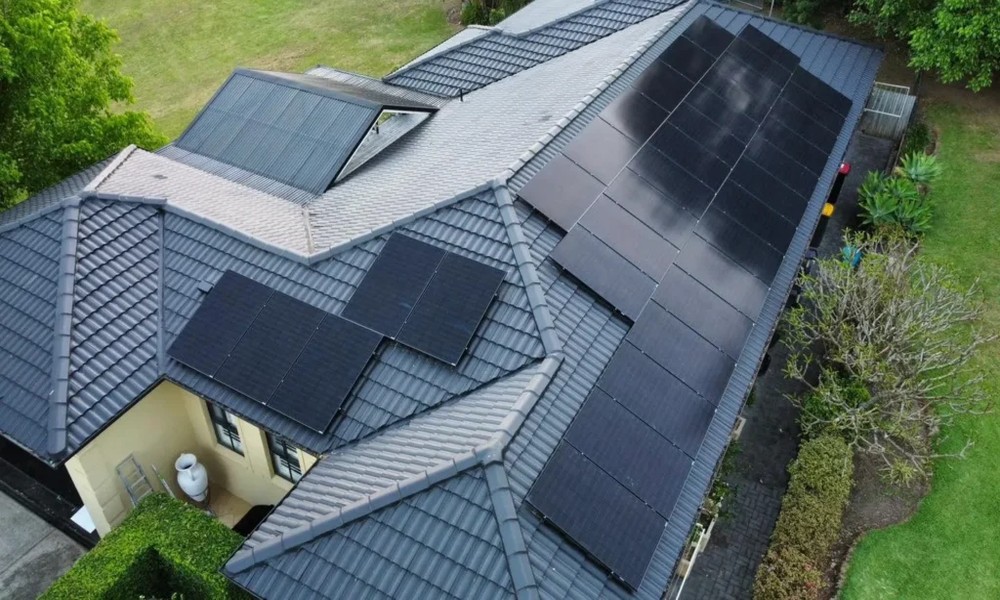
Energy synchronization has become a defining feature of the modern smart home as households seek better alignment between power generation and daily use. As solar adoption grows, systems increasingly guide how electricity flows across connected devices rather than operating in isolation. Freedom Forever Reviews reflect a market where homeowners are adopting approaches that coordinate appliances, climate systems, and charging schedules around real-time solar availability.
This approach reflects changing expectations around how homes manage electricity. Instead of relying on fixed schedules or reactive behavior, households look for systems that respond to production as it happens. Synchronization places solar at the center of household energy decisions, allowing homes to adjust activity based on when power is available rather than drawing indiscriminately from the grid.
Real-Time Production as a Scheduling Signal
Solar production fluctuates throughout the day based on sunlight conditions. Smart energy systems monitor this output and use it as a signal for coordinating household activity. Rather than treating production as background data, systems translate real-time information into actionable scheduling cues.
This coordination changes how homes operate during daylight hours. Appliances and systems adjust activity when production rises and scale back when output declines. Homes rely less on preset timers and more on live conditions, allowing energy use to follow production patterns more closely.
Appliances Respond to Available Power
Household appliances play a central role in energy synchronization. Dishwashers, laundry machines, and water heaters represent flexible loads that can operate during periods of higher solar output. Smart systems identify these opportunities and schedule cycles accordingly.
Over time, this approach becomes routine. Appliances run when energy is plentiful rather than competing for power during peak demand periods. This coordination reduces reliance on grid electricity while maintaining normal household rhythms.
Climate Systems Adjust to Production Patterns
Heating and cooling systems consume significant amounts of energy and benefit from synchronization. Smart thermostats respond to solar availability by adjusting operation during high-production windows. Cooling cycles may increase slightly when power is abundant, reducing demand later in the day.
These adjustments remain subtle. Homes maintain comfort while shifting energy use to align with production. Climate systems operate as part of a coordinated network rather than acting independently of generation conditions.
Charging Schedules Reflect Solar Output
Charging schedules for devices and vehicles offer another opportunity for synchronization. Electric vehicle chargers and battery systems respond to solar availability by prioritizing charging during production peaks. This approach reduces grid reliance without disrupting mobility needs.
Households benefit from clearer planning around charging behavior. Devices recharge when solar output supports it, spreading demand across the day. Charging becomes an integrated part of energy coordination rather than an isolated activity.
Software Coordinates Across Systems
Energy synchronization depends on software that links production data with device operation. Platforms analyze output and distribute signals across appliances, climate systems, and chargers. This coordination reduces manual oversight and improves system responsiveness.
The result is a smoother operation. Homes adjust activity without constant intervention. Software acts as the connective layer that translates solar availability into coordinated action across multiple systems.
Learning Improves Synchronization Over Time
Synchronization improves as systems observe household behavior. Platforms track which devices respond well to coordination and refine scheduling accordingly. Over time, synchronization reflects lived patterns rather than generic assumptions.
This learning process reduces friction. Systems avoid unnecessary adjustments and focus on meaningful opportunities to align use with production. Homes experience coordination that feels natural rather than imposed. As the system refines its responses, interactions become less noticeable to occupants. Energy shifts occur quietly in the background without disrupting daily routines. The result is coordination that supports efficiency while preserving a sense of normalcy within the home.
Visibility Shapes Household Engagement
Visibility plays a key role in energy synchronization. Monitoring platforms show how production aligns with use, helping households understand the impact of coordination. Clear visuals reinforce the relationship between solar output and device activity. This transparency makes system behavior easier to interpret over time. Homeowners can quickly identify patterns and adjust expectations without needing technical expertise. As familiarity grows, visibility supports trust in how synchronization delivers both efficiency and predictability.
This understanding supports engagement. Homeowners recognize when systems shift behavior and why those changes occur. Visibility builds trust in automated coordination by making outcomes easier to interpret.
Customer Feedback Reflects Coordinated Experience
Homeowner feedback often highlights how synchronization affects daily routines. As systems align activity with production, households notice smoother operation and fewer conflicts between devices. In online discussions, including Freedom Forever reviews, homeowners frequently emphasize how energy flows through the home rather than focusing solely on equipment details.
These patterns suggest that coordination influences satisfaction. Reviews reflect appreciation for systems that manage complexity quietly. Synchronization becomes valuable when it supports clarity rather than drawing attention to itself.
Grid Interaction Becomes More Deliberate
Energy synchronization influences how homes interact with the grid. By coordinating internal activity around production, households draw less power during high-demand periods. This behavior supports steadier grid conditions without requiring direct intervention.
Homes operate as responsive participants rather than fixed consumers. Synchronization aligns household behavior with broader system conditions, reducing strain during peak demand windows. This responsiveness allows homes to adapt without sacrificing comfort or reliability. Small adjustments across many households can collectively ease pressure on shared infrastructure. As participation increases, synchronized homes contribute to a more balanced and resilient energy system overall.
Planning Benefits Extend Beyond Daily Use
Synchronization supports planning beyond immediate use. Households consider how coordinated systems affect long-term energy behavior. Data from synchronized operation informs decisions about storage, upgrades, and future needs. This integrated view helps households anticipate changes rather than respond after the fact. Planning becomes grounded in performance trends instead of isolated data points.
Over time, synchronization enables more confident decisions as energy needs to develop.
This perspective changes how households evaluate energy investments. Coordination supports predictability and clarity, influencing planning across seasons and years rather than focusing on short-term adjustments.
Broader Potential for Smart Home Design
As synchronization becomes central to smart homes, design priorities reflect this role. Systems focus on responsiveness and clarity rather than complexity. Coordination across devices supports efficient operation without sacrificing comfort.
Integration and system communication increasingly define modern residential energy performance. Effective energy synchronization depends on disciplined coordination across platforms so that solar production, storage, and household technologies operate in alignment. As homes bring these systems together, synchronized energy management sets a new standard for how smart homes generate, manage, and optimize power in everyday life.